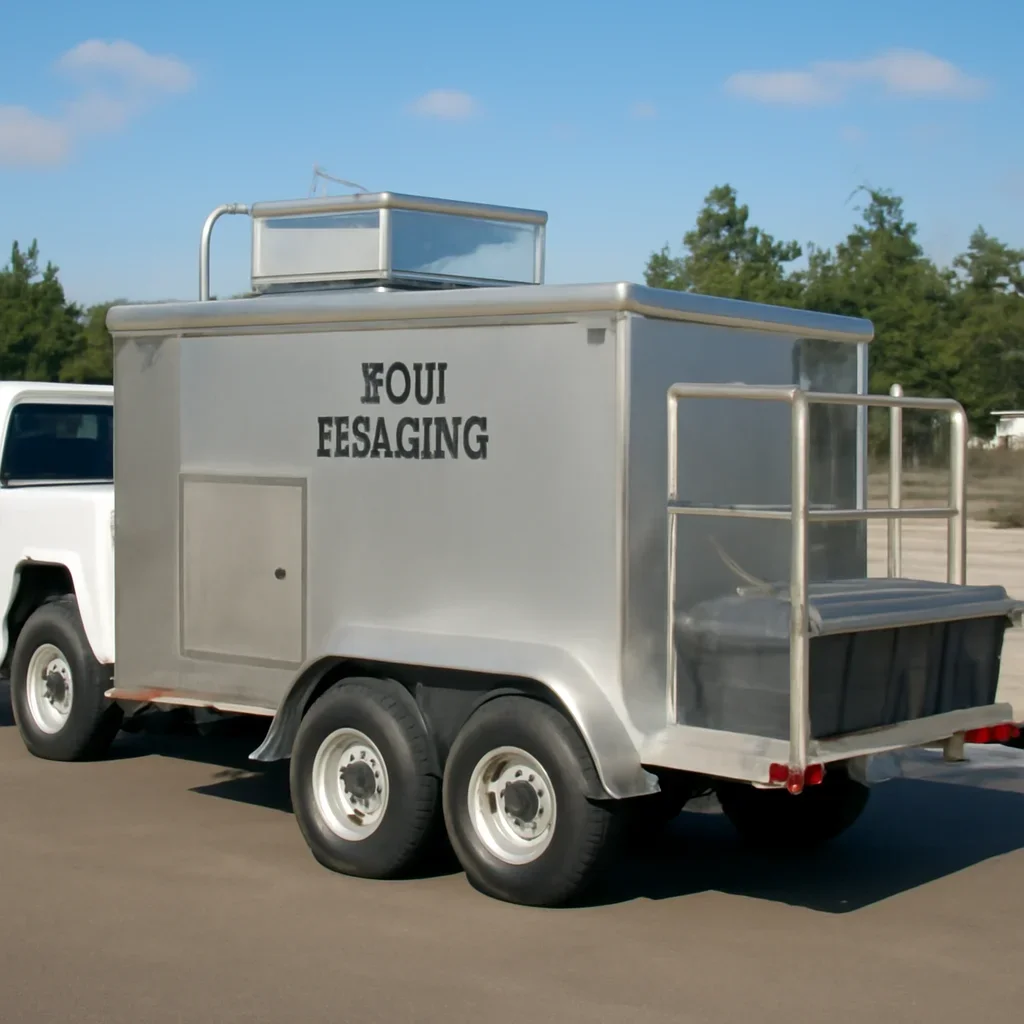
The example below shows the kind of workflow PDG uses on fish tagging trailer maintenance projects, with a focus on clear diagnosis, repair planning, and practical turnaround.
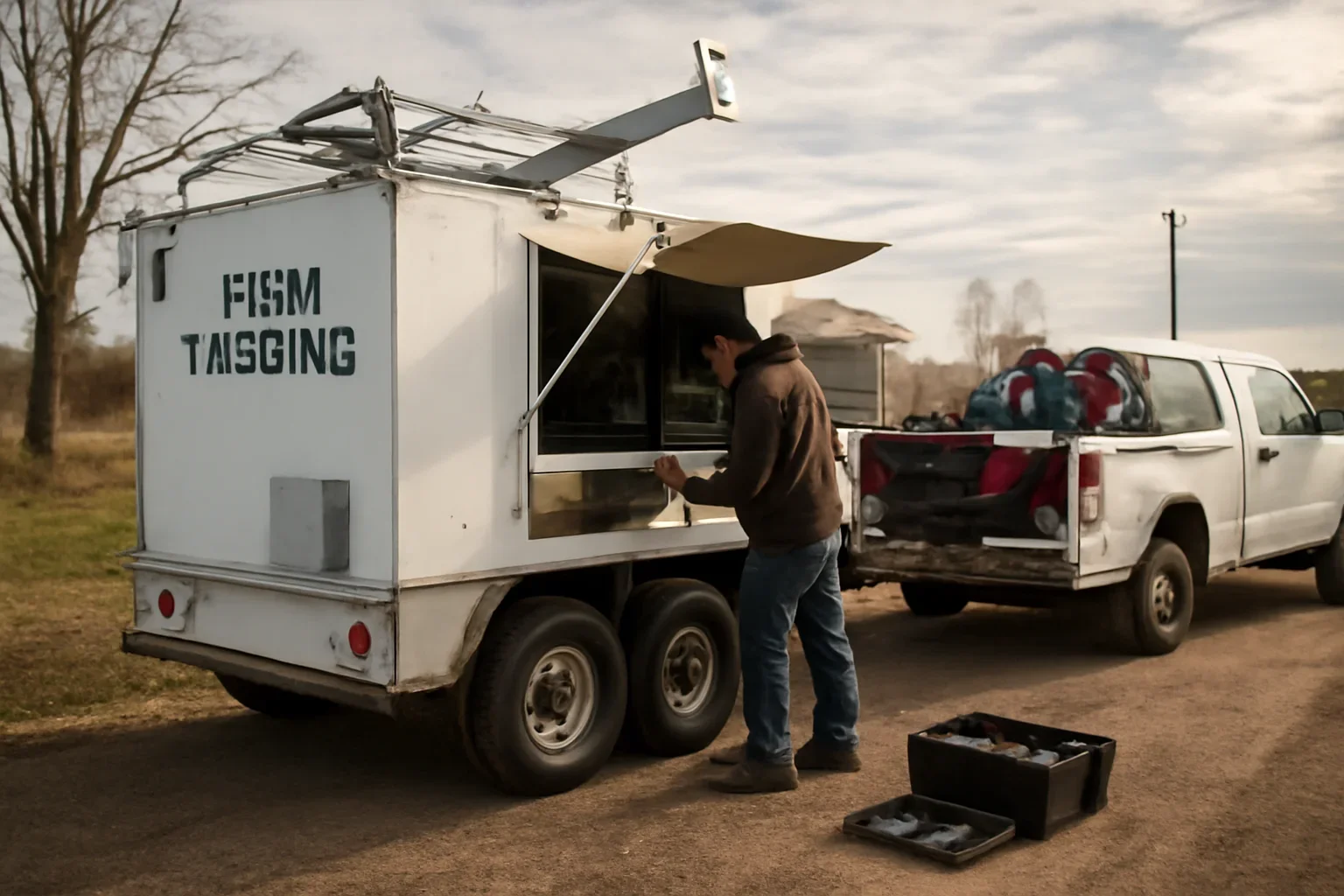
Projects involving fish tagging trailer maintenance often start with a simple problem that affects a larger work schedule: an asset that is down, a component that cannot be trusted, or a timing window that is already narrowing. The first step is to understand what failed, where the equipment is located, and whether the repair should stay on-site or move into a broader shop process.
From there, the focus shifts to scope. Is the issue isolated, or does it point to related wear, hydraulic concerns, structural damage, or maintenance gaps that should be addressed while the equipment is already being worked on?
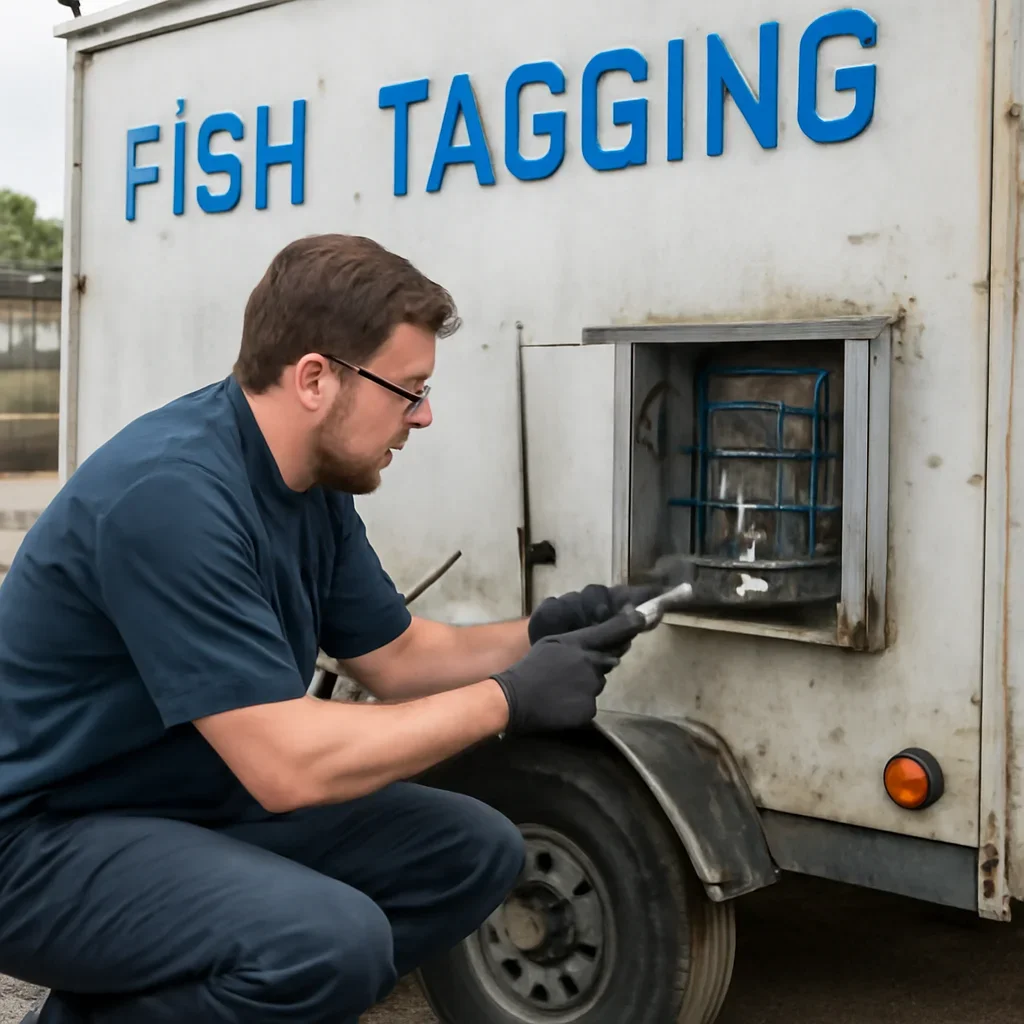
The visible problem matters, but so does the context around it: timing, access, related wear, and whether the machine can keep operating safely.
Some jobs are easier to stabilize and complete in the field. Others need shop time, fabrication support, or more extensive repair coordination.
The outcome is not only a completed repair. It is equipment that can be trusted again for the work it needs to do next.
Customers often use case-study pages to picture how their own project may move forward. That can make it easier to ask the right questions, share the right photos, and decide whether the job sounds like field service, shop support, or a broader repair conversation.
Tell us what equipment you have, what failed, and where the machine is located so we can help map out the next step.