This comparison breaks down hydraulic repair vs replacement in plain terms so you can choose the option that fits your equipment, downtime, and budget.
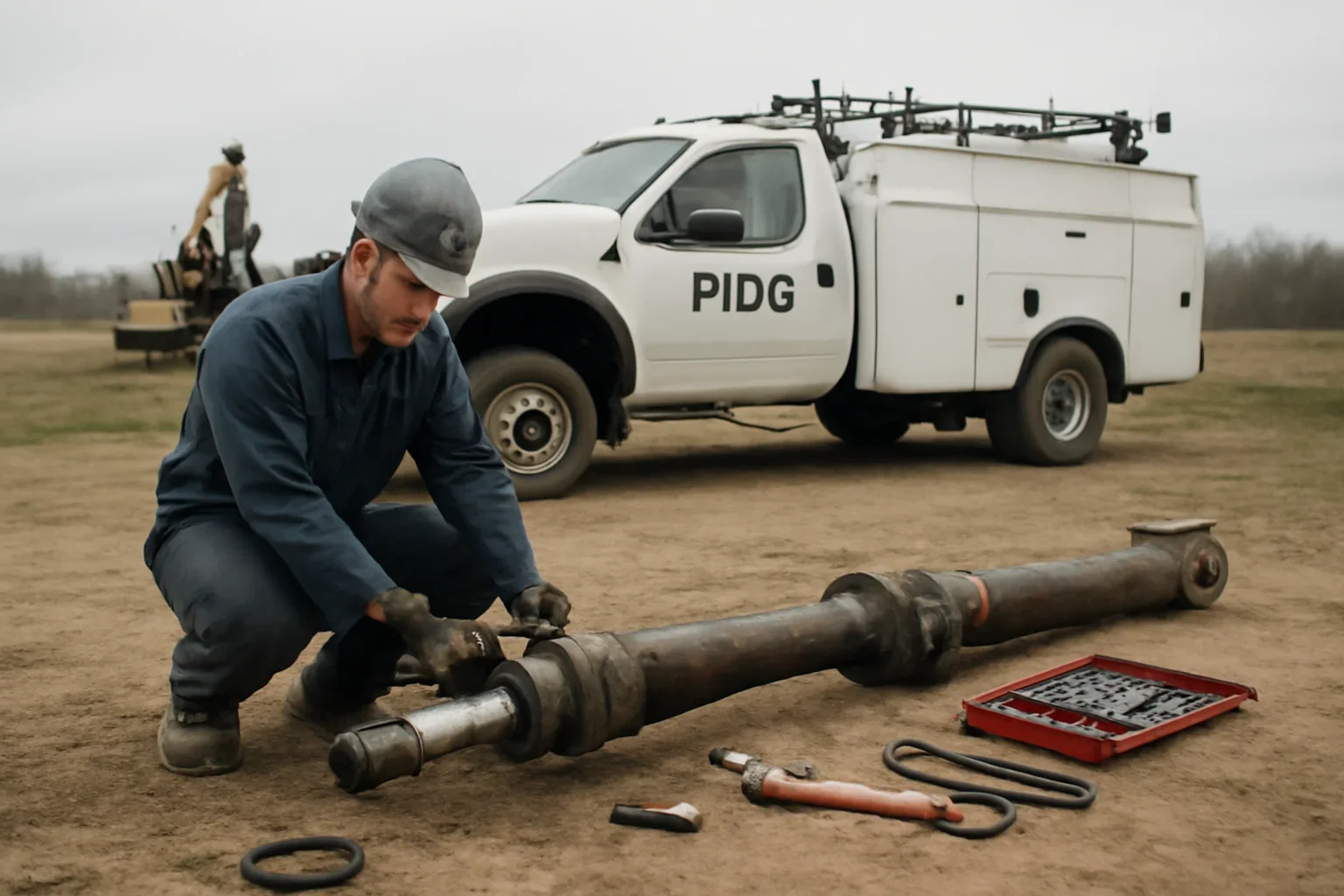
This comparison breaks down hydraulic repair vs replacement in plain terms so you can choose the option that fits your equipment, downtime, and budget.
The best choice is usually the one that fits the machine, the location, and the consequences of delay. That is why a good comparison looks beyond simple price alone and includes timing, access, repair quality, and whether the option actually suits the problem you are facing.

| Decision point | Option one | Option two |
|---|---|---|
| Best fit | When the root issue is identifiable and repair is practical | When wear, damage, or cost makes replacement the better call |
| Budget approach | Often helps control near-term spend | Can make sense when repeated repair risk is high |
| Downtime planning | Useful when components can be restored efficiently | Useful when replacement reduces repeat failures |
| Main decision point | Condition and value of the existing component | Long-term reliability and total cost |
If the issue is already affecting work, the fastest workable path often matters more than the theoretical ideal.
Some jobs belong on-site, while others need the control of a shop environment or a more involved repair process.
The right choice should make sense beyond today’s frustration and align with how the equipment will be used next.
Comparisons are useful, but the final choice still depends on your equipment, your schedule, and the actual condition of the machine. Share the details and we will help point you toward the more practical path.
Send the equipment details, issue, and timing so we can recommend the option that best fits your situation.
