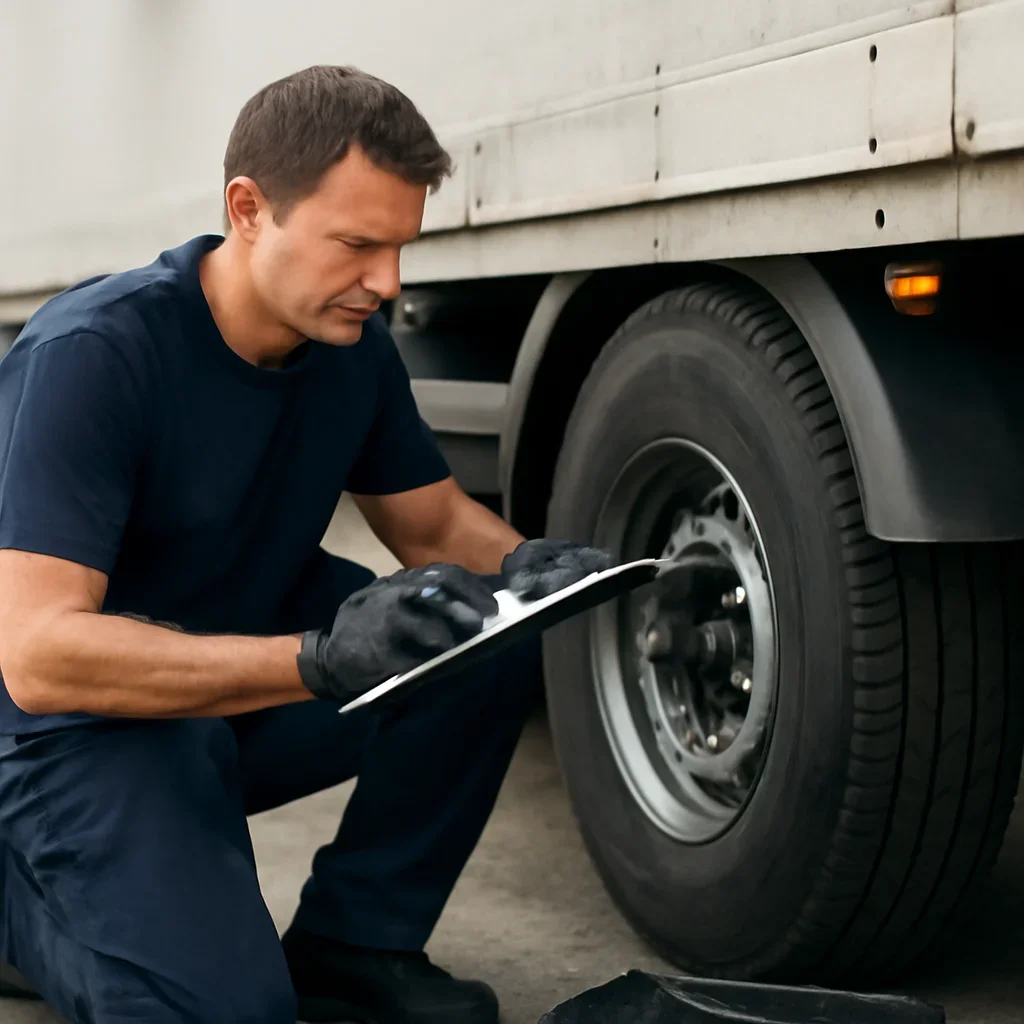
How Trailer Maintenance Prevents Expensive Failures is a common question for customers trying to reduce downtime and plan repairs before a small issue turns into a bigger interruption.
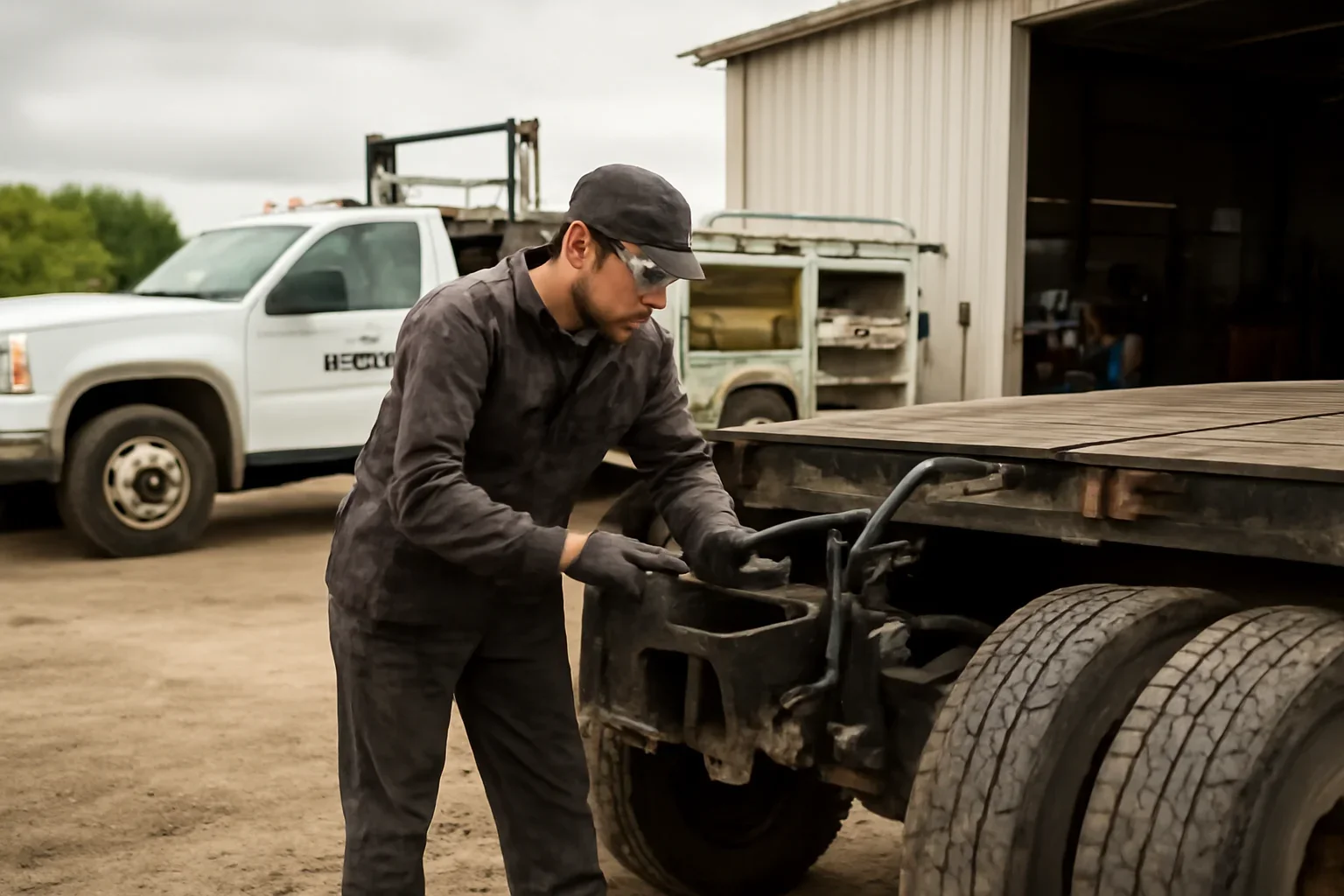
The biggest gains usually come from preventing delays that spread beyond the original repair issue. When equipment stays available, crews stay productive, seasonal timing stays tighter, and the rest of the schedule is less likely to slip.
The work behind that result is usually practical, not dramatic. It often comes down to earlier inspections, realistic service timing, clear communication about what is changing, and repair decisions that fit the actual way the equipment is used.
Planning ahead does not eliminate every surprise, but it improves how quickly the next step becomes clear. That is especially important in Northeast Wisconsin, where weather, season length, and labor timing can narrow the window for making up lost time.
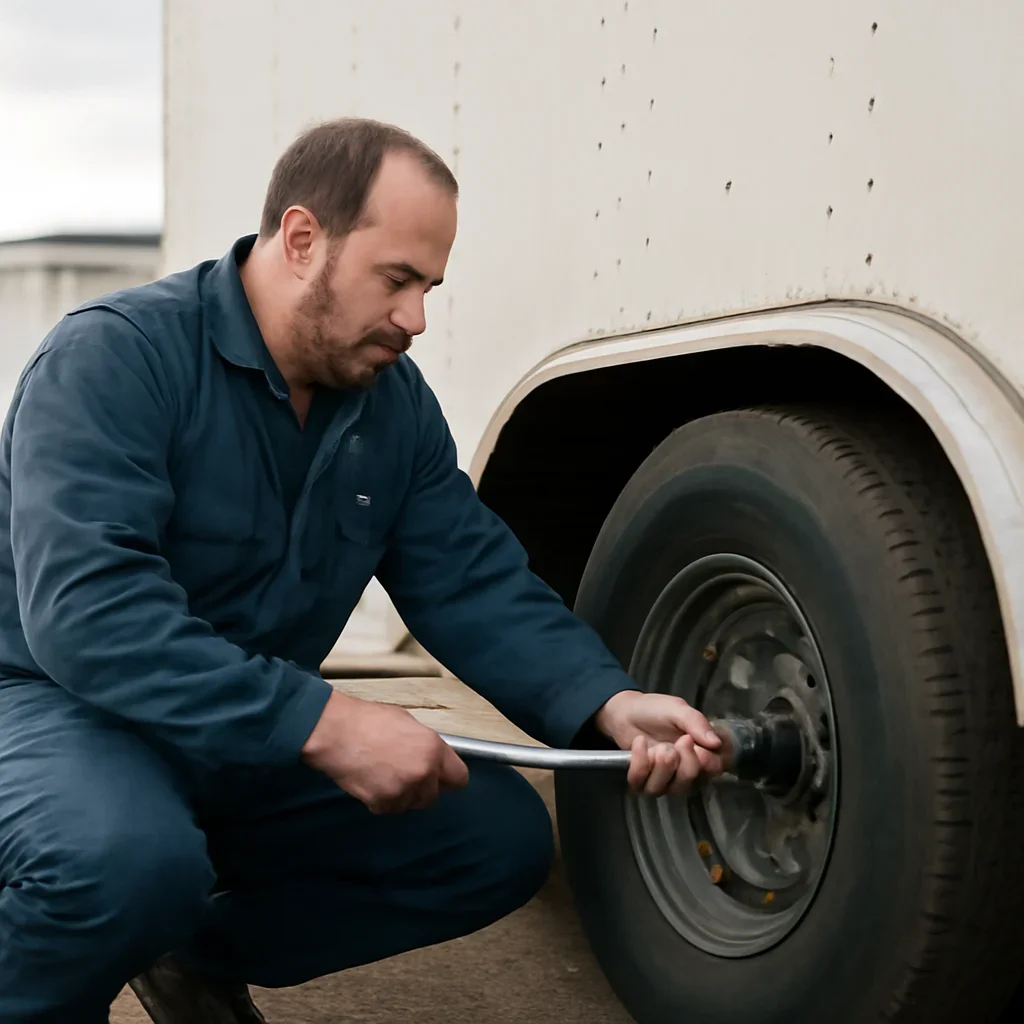
Changes in performance, visible damage, repeat minor issues, and missed service timing usually matter more than a single isolated symptom.
The earlier a problem is reviewed, the more likely it is that service can be planned instead of forced into a crisis window.
A short description and a few photos often help move from uncertainty to a workable service plan.
No. The same planning habits help single-owner operations, farms, contractors, and public works teams.
Start with the equipment that creates the biggest disruption if it goes down and build service timing around that reality.
If this topic sounds like the issue you are dealing with, share the machine details, photos if available, and how urgent the downtime is.